Facade Systems
What is a Silicone Facade?
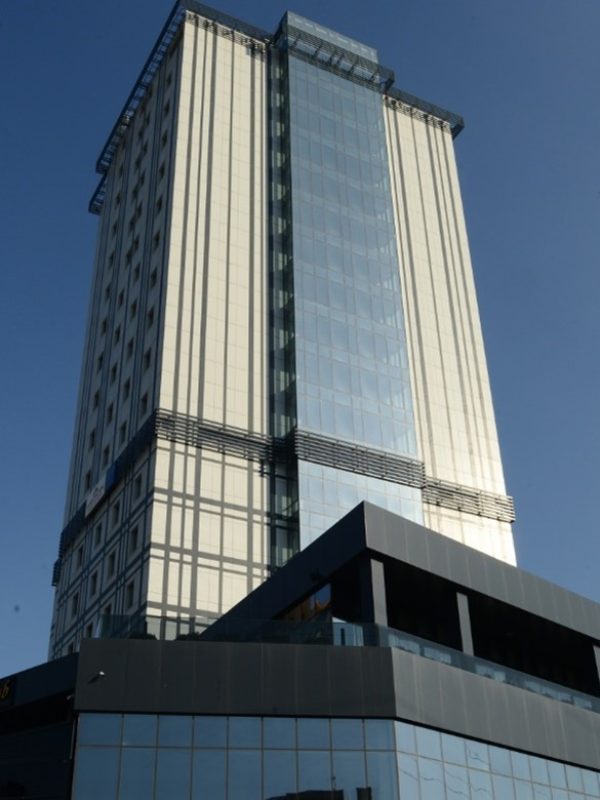
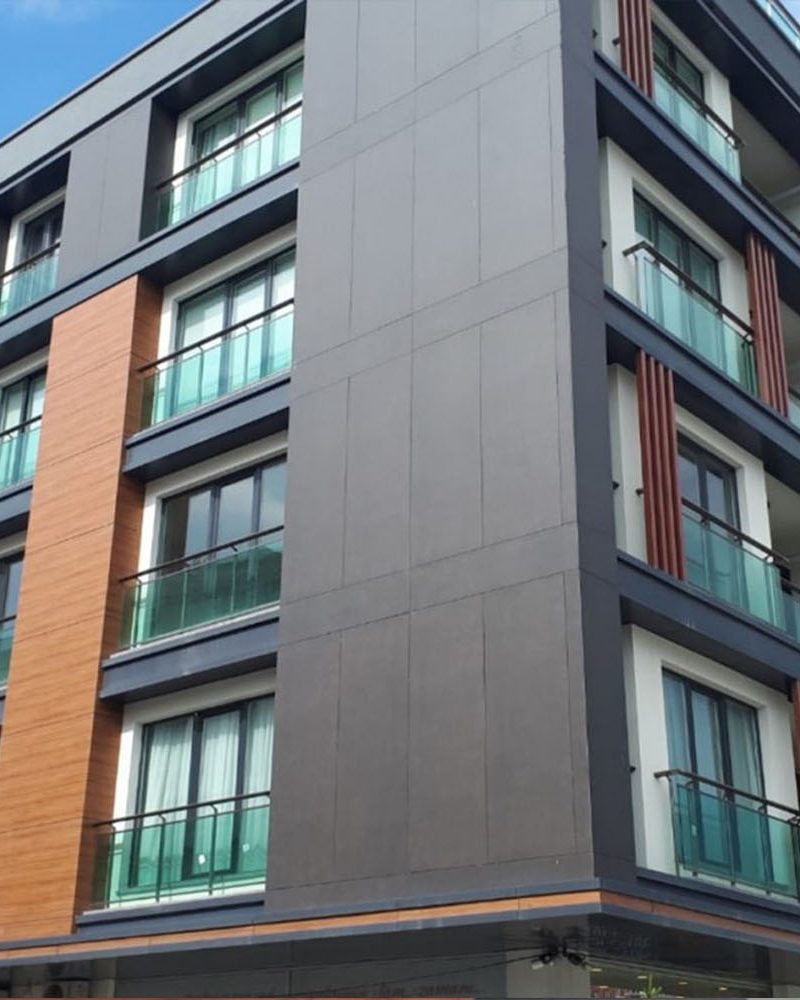
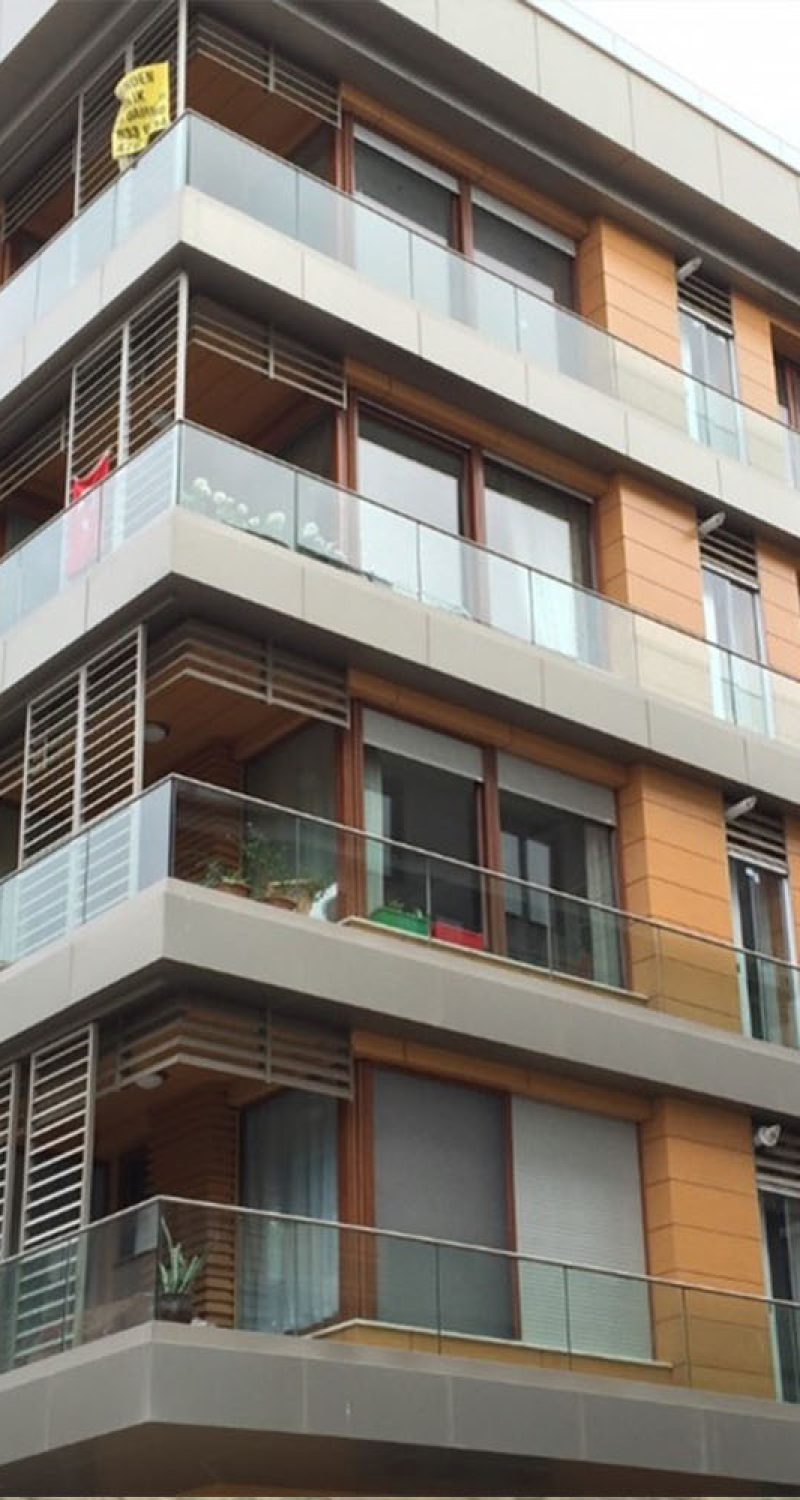
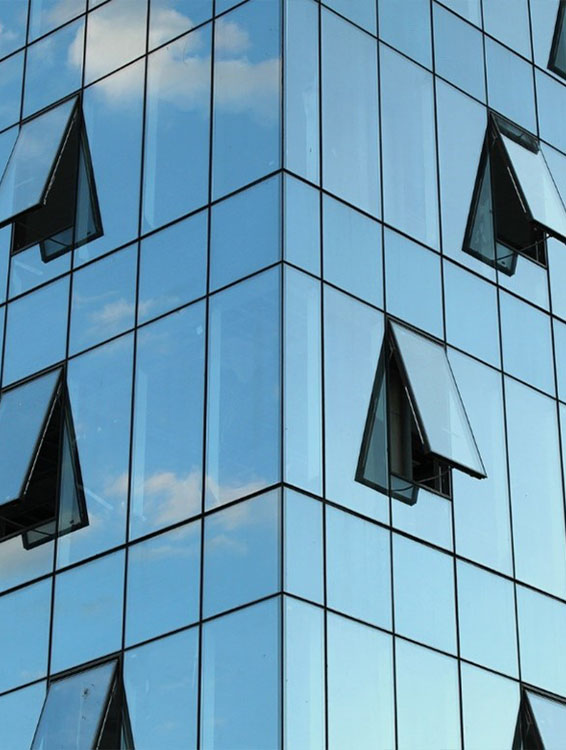
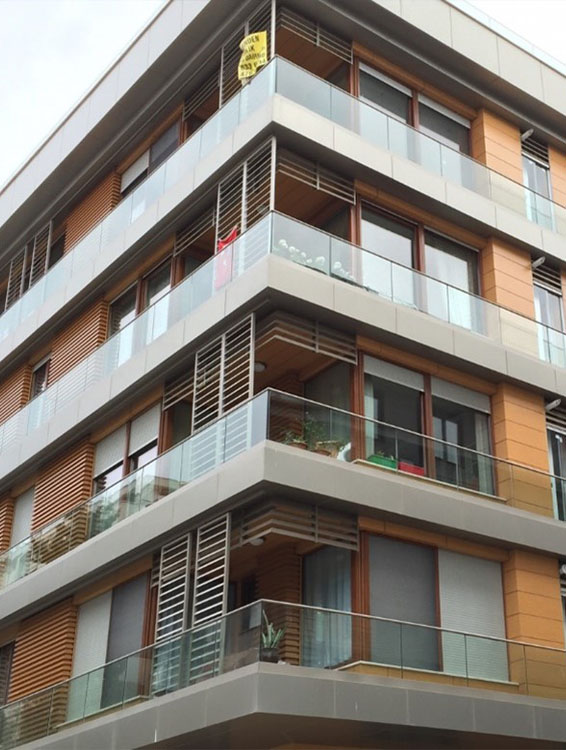
Silicone facades are among the most commonly used external cladding systems today. They are used and installed in various architectural structures, buildings, for flooring and columns. Another name for silicone facades is cladding facades. They have no load-bearing properties.
• Structural Silicone Facade Technical Specifications
Nowadays, the use of structural facades is quite common in order to give buildings a modern and stylish appearance. These facade applications have certain unique characteristics. These can be listed as follows:
- Although the vertical and horizontal profiles are different in the system, they are both condensation-channeled.
- The visible profile width is 54 mm.
- Water drainage is provided via condensation channels.
- Horizontal profiles are connected using a swallowtail joint system.
- The system is supported by steel profiles.
- When viewed from the outside, 16 mm wide EPDM gasketed glass-to-glass joints are visible vertically and horizontally on the façade.
- The glass panes are bonded to the aluminium frames using structural silicone material in accordance with DIN 51376 and ISO 8339 standards.
- The moment of inertia of horizontal profiles: between 26 cm⁴ and 150 cm⁴.
- The moment of inertia of vertical profiles: ranges from 27 cm⁴ to 533 cm⁴.
• Silicone Facade Detail
Firstly, the initial step in façade cladding systems for buildings is the drawing process. This process is of vital importance for the smooth execution of the project. Every façade cladding drawing that is designed correctly and without errors is therefore essential. This ensures that the façade cladding work can be completed with minimal errors. In this regard, Pixel Aluminium prepares an Autodesk AutoCAD application file that can serve as an example.
The drawings created:
- Interconnection details,
- Connection diagrams,
- Wall and ceiling connections
- It contains all the details regarding the installation of silicone facades with all the necessary specifications.