Structural Silicone Facade

Today, there are many different types of structures being built. Giving these structures a modern appearance is of great importance. Structural silicone façade cladding systems stand out in this regard. This is because these systems are indispensable for giving structures the desired modern appearance. Thanks to structural silicone façade cladding systems that meet the requirements of the modern age, structures take on an identity.

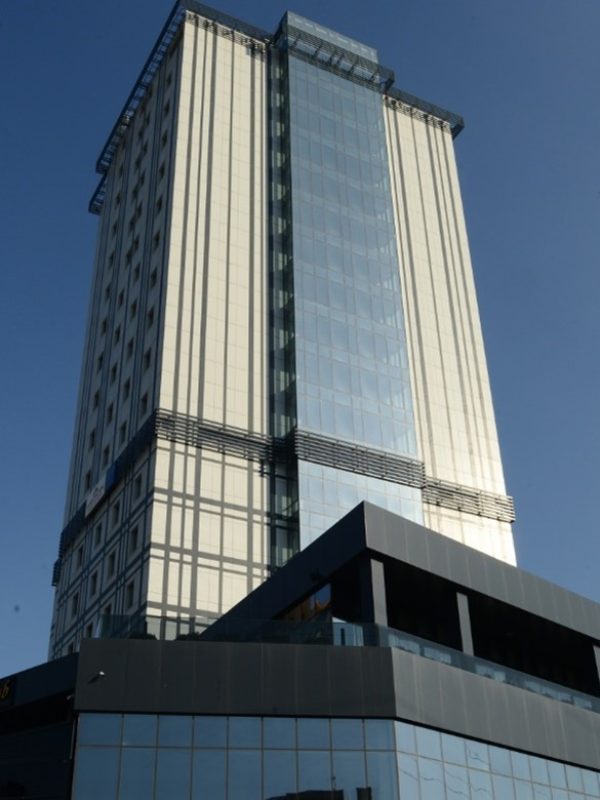
Structural silicone façade systems are façade cladding systems that highlight the elegance and simplicity of glass.

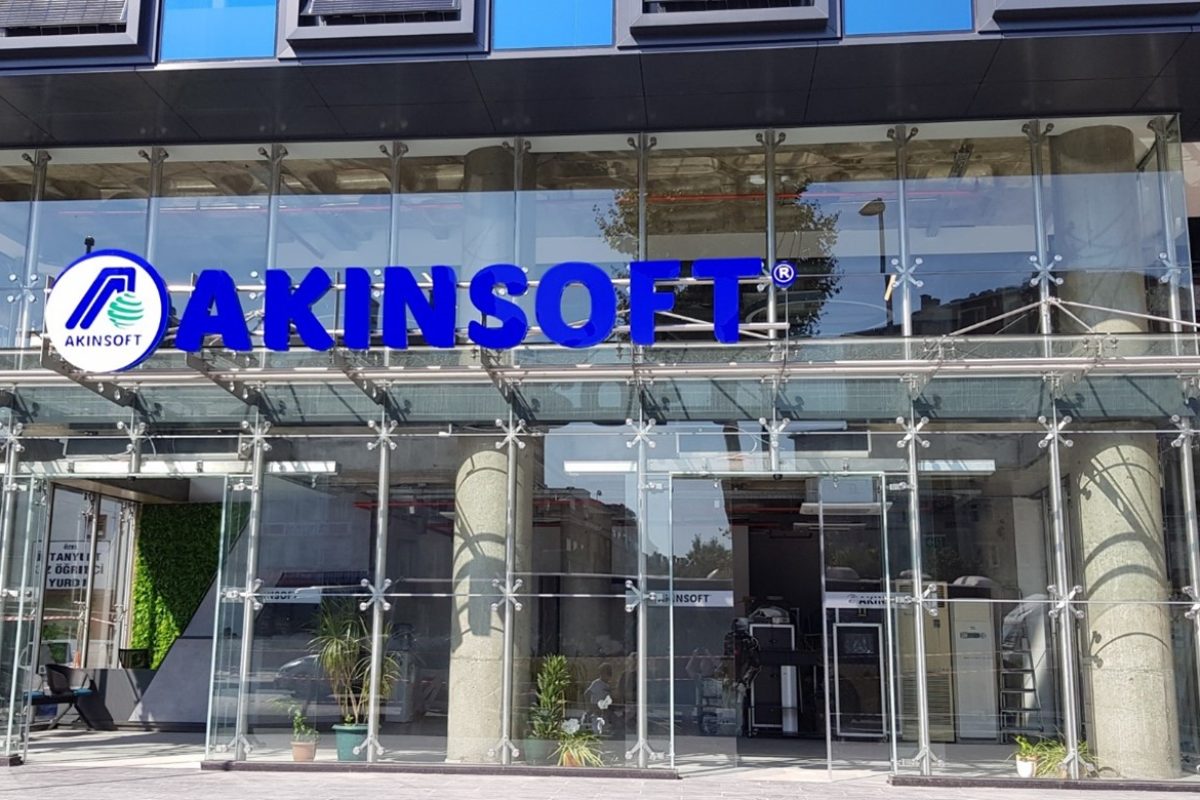
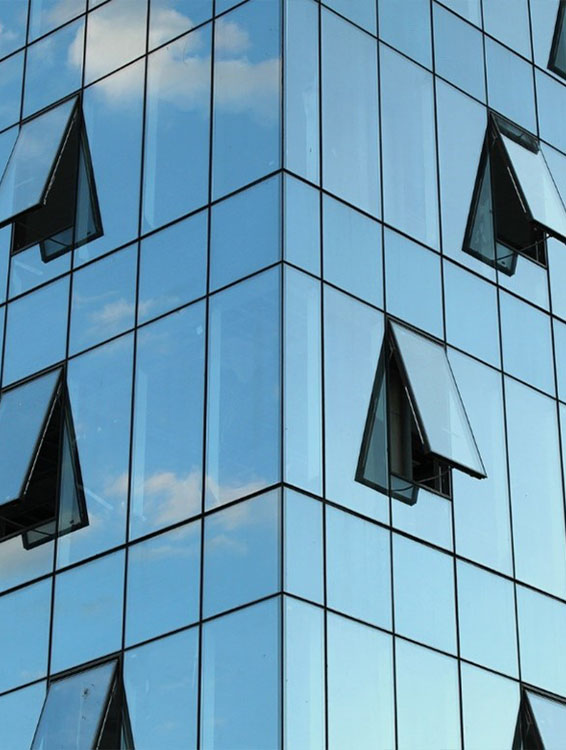
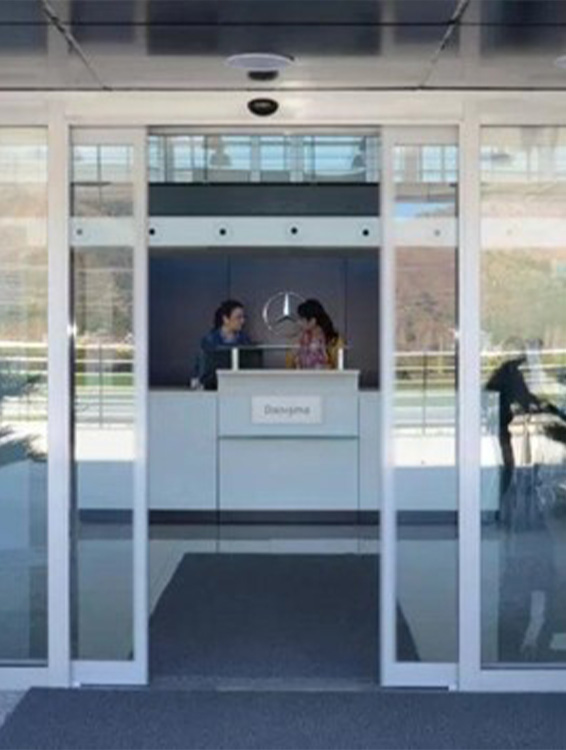
When viewed from the outside, aluminium profiles are not visible on structural silicone façades. This creates a completely glass appearance. In these façade systems, insulated glass panes are fixed to the façade using cassette profiles.

The glass panels, specially fitted to these profiles, give the exterior a highly stylish appearance. The watertight seal between the glass panels is provided by a double EPDM seal. This eliminates the need for waterproof silicone to be applied between the panels. As a result, there is no shadow formation between the glass panels.

Any glass panel can be converted into a concealed wing when required. This ensures that it is not apparent from the outside which panels open. All structures fitted with the Structural Silicone façade system acquire a very high level of prestige. It also gives the building a very rich façade appearance. This makes it a highly preferred application.

If required, wing profiles can also be applied inside the modules. This allows concealed wing mechanisms to be installed. Silicone-clad façade systems, which emphasise the elegance and simplicity of the glass, lend the structure an overall sense of refinement.

Sunrise Facade Systems - Facade Cladding Systems 3

Silicone Facade Coating

Silicone façade cladding is applied to structures clad with aluminium and glass. A project is prepared based on measurements taken from the structure where this system will be applied. Cutting, channeling and other processes are carried out in accordance with this project. Adjustable aluminium profiles are hung within the scope of the characteristics of the structure to be clad.

After the profiles have been hung, the process of joining the aluminium and glass is completed. During this bonding process, silicone-based sealants that meet the appropriate standards are applied. If desired, concealed opening window sashes can also be incorporated into these façade cladding systems.

The most important aspect in silicone façade production is the glass bonding process. The glass is bonded using special silicone in a dust-free, dry environment. Thanks to silicone façade cladding applications, stylish exterior façades can be created. The most suitable option for the structure can be easily selected from a variety of colours and sizes. This results in buildings with a perfect appearance.

Ceramic Facade
Glass Railing
Transparent Facade (Planer)
Sunrise Facade Systems - Mesh Facade 1
faq2
frequently asked questions
Sunrise Logo Favourite

Facade Systems

What is a Silicone Facade?

Silicone facades are among the most commonly used external cladding systems today. They are used and installed in various architectural structures, buildings, for flooring and columns. Another name for silicone facades is cladding facades. They have no load-bearing properties.

• Structural Silicone Facade Technical Specifications

Nowadays, the use of structural facades is quite common in order to give buildings a modern and stylish appearance. These facade applications have certain unique characteristics. These can be listed as follows:

  • Although the vertical and horizontal profiles are different in the system, they are both condensation-channeled.
  • The visible profile width is 54 mm.
  • Water drainage is provided via condensation channels.
  • Horizontal profiles are connected using a swallowtail joint system.
  • The system is supported by steel profiles.
  • When viewed from the outside, 16 mm wide EPDM gasketed glass-to-glass joints are visible vertically and horizontally on the façade.
  • The glass panes are bonded to the aluminium frames using structural silicone material in accordance with DIN 51376 and ISO 8339 standards.
  • The moment of inertia of horizontal profiles: between 26 cm⁴ and 150 cm⁴.
  • The moment of inertia of vertical profiles: ranges from 27 cm⁴ to 533 cm⁴.

• Silicone Facade Detail

Firstly, the initial step in façade cladding systems for buildings is the drawing process. This process is of vital importance for the smooth execution of the project. Every façade cladding drawing that is designed correctly and without errors is therefore essential. This ensures that the façade cladding work can be completed with minimal errors. In this regard, Pixel Aluminium prepares an Autodesk AutoCAD application file that can serve as an example.

The drawings created:

  • Interconnection details,
  • Connection diagrams,
  • Wall and ceiling connections
  • It contains all the details regarding the installation of silicone facades with all the necessary specifications.


Structural silicone facades are systems in which, when viewed from the outside, the glass surfaces appear simple and dense, while the supporting and mechanical elements are concealed to the maximum extent possible.

The glass panes are bonded to the cassette profiles using silicone adhesive, then fixed to the supporting system to complete the installation. The use of EPDM gaskets at the joints minimises the formation of thermal bridges.

The spandrel areas formed by the visible surfaces of the flooring, beams, columns and mechanical systems are concealed using enamelled glass or composite panels.

As their presence is not apparent from the outside unless the wings are opened, they are referred to as concealed wings. Outward-opening concealed wings can be incorporated into an automation system as desired, or a motorised mechanism controlled by a button can be used to ensure the wings open and close automatically.

By incorporating acoustic glass into the glazing combination to minimise noise from outside spaces, alongside heat and sun-controlled architectural glazing choices, a high level of living comfort is achieved.

SUNRISE Construction

All Our Services